


On site rapid detection of the total hardness (calcium and magnesium ion concentration) of water bodies is widely used in scenarios such as boiler feedwater, circulating cooling water, drinking water, groundwater, industrial wastewater, etc. It is used to evaluate the risk of water quality scaling, monitor the effectiveness of water treatment processes, and ensure the safety of water equipment.
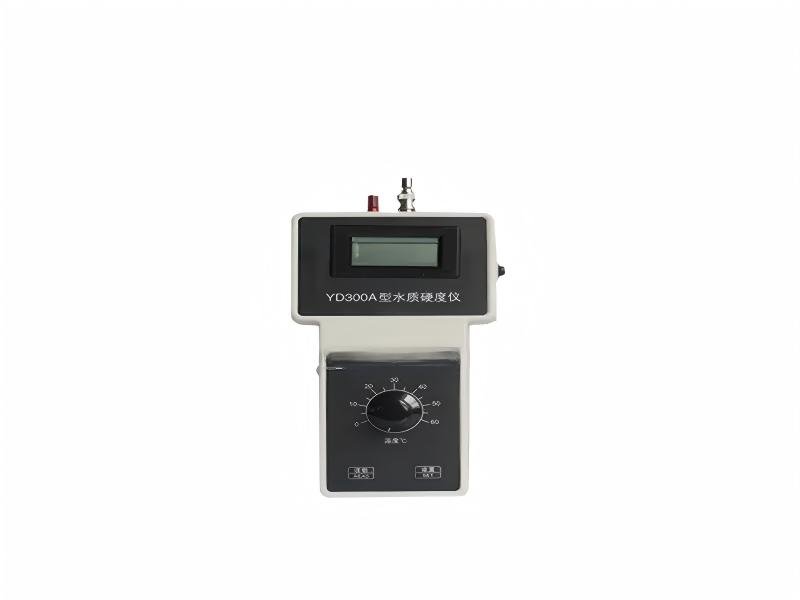
Advantages:
·Strong portability: With a handheld integrated design, it is compact in size and lightweight, making it easy to carry around and conduct on-site inspections anytime, anywhere.
·Fast and efficient detection: Using the principle of electrode method/colorimetric method, single sample detection only takes a few minutes, greatly reducing the laboratory titration cycle.
·Easy to operate: knob style adjustment+digital display, no need for complex operations, on-site personnel can quickly get started without professional chemical background.
·Accurate and stable measurement: Using high-precision ion electrodes, combined with temperature compensation, the measurement error is small, the repeatability is good, and it meets the national standard testing requirements.
·Wide applicability: It can cover full range testing from low hardness drinking water to high hardness industrial water, and is suitable for water quality requirements in multiple scenarios.
·Extremely low maintenance cost: The electrode has a long lifespan, does not require frequent replacement of consumables, only requires regular calibration for daily use, and has high economic efficiency for long-term use.
·The data is intuitive and clear: the digital display screen reads directly without manual calculation, avoiding the human error of titration method, and the results are clear at a glance.
·Durable and sturdy structure: The body is resistant to drops and corrosion, suitable for complex on-site environments such as outdoor and boiler rooms, and has a long service life.